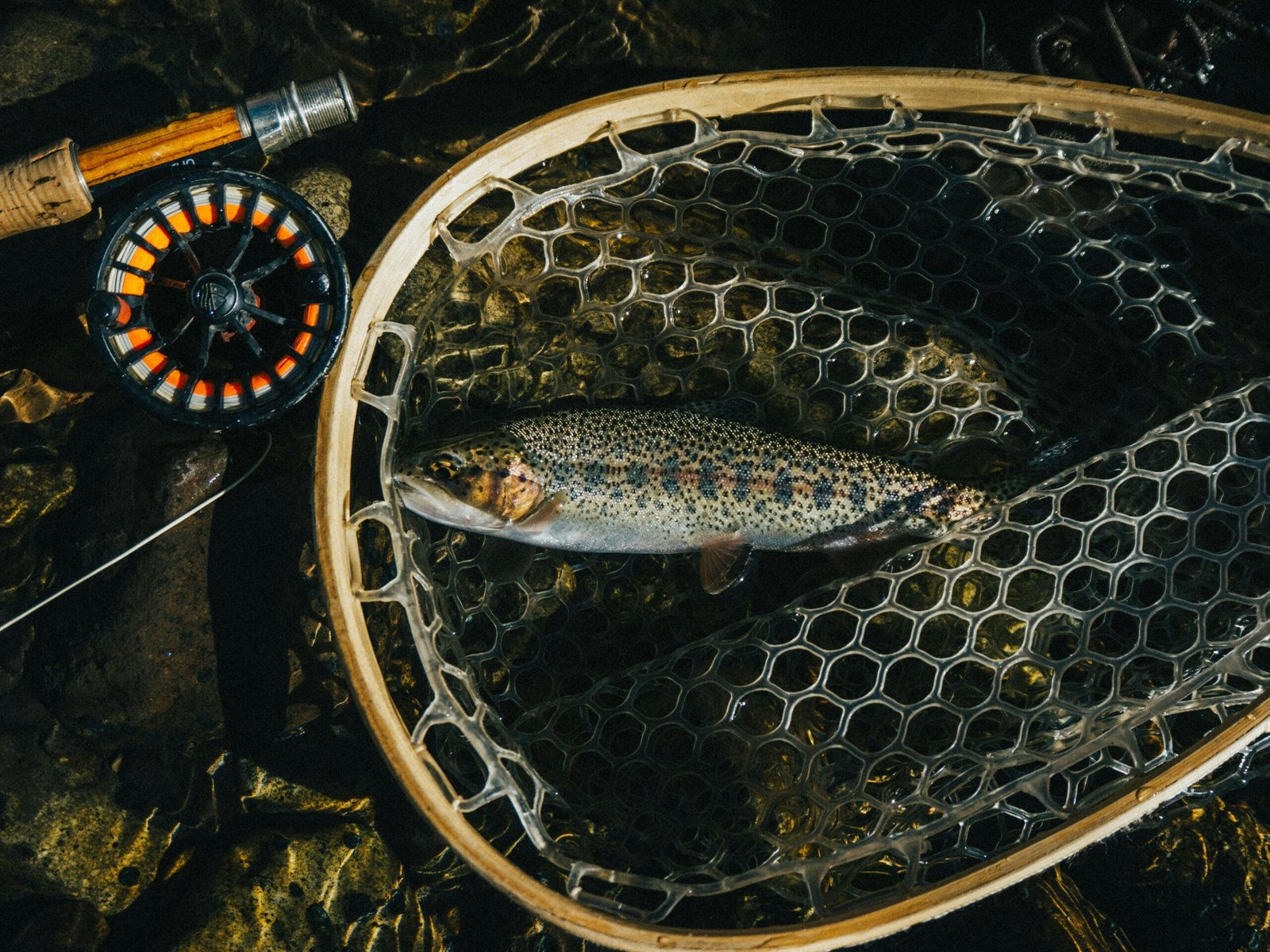
A couple of hours fishing from the bank can call for surprisingly little equipment: a sectional rod, a small tackle bag, drinking water and a layer for changing weather. If the water is close to home, a bicycle may be a practical way to get there. The question is whether the complete setup remains manageable from the moment you take it out until you put it away again.
For a woman organizing her own fishing outings, that is a useful way to assess equipment. You know where the bike needs to be lifted, how much tackle you normally carry and which roads lead to your preferred access point. Those details say more about the right bicycle than a broad label such as “women’s outdoor gear.”
A carbon-fiber frame is worth understanding in that context. Its potential weight advantage can matter during handling, but material choice also raises questions about construction, attachments and care. The useful decision is how that frame fits your particular fishing routine.
Start With the Fishing Trip You Actually Take
Begin with the outing you repeat most often. A short session with one rod and a compact selection of tackle is a different transport problem from a full day with a large cooler, several rods and bulky seating. Lay out the equipment before deciding what kind of bicycle should carry it.
For the lighter outing, consider the journey from your storage space to the water. You may roll the bicycle straight out of a garage, move it through a doorway or lift it into a vehicle before riding from another starting point. Lower bicycle weight matters most where you physically handle the machine, rather than simply ride it.
Check the final approach as well. A suitable road may end at a parking area, leaving a short walk to the bank. Plan to secure the bike there and carry your tackle onward if necessary. A low weight figure does not make steep steps, deep mud or an awkward waterside descent sensible places to take a bicycle.
This also helps define what the bike does not need to carry. For a short session, a modest tackle selection may be sufficient. If your usual trip requires substantially more equipment, suitable carrying capacity and mounting options deserve attention before the smallest possible weight figure. Your fishing style should determine the transport setup.
What Carbon Fiber Changes in the Frame
Carbon-fiber bicycle frames are composite structures: reinforcing fibers are held within a resin matrix. Designers can vary fiber direction, the arrangement of layers and the shape of frame sections to achieve particular structural properties. The result depends on the complete design and manufacturing process, not simply the presence of carbon fiber.
That flexibility can help engineers produce a frame with a favorable balance of weight, strength and stiffness for its intended use. It does not mean every carbon frame has the same characteristics. Nor does the material establish the bicycle’s approved load, suitable terrain or compatibility with accessories.
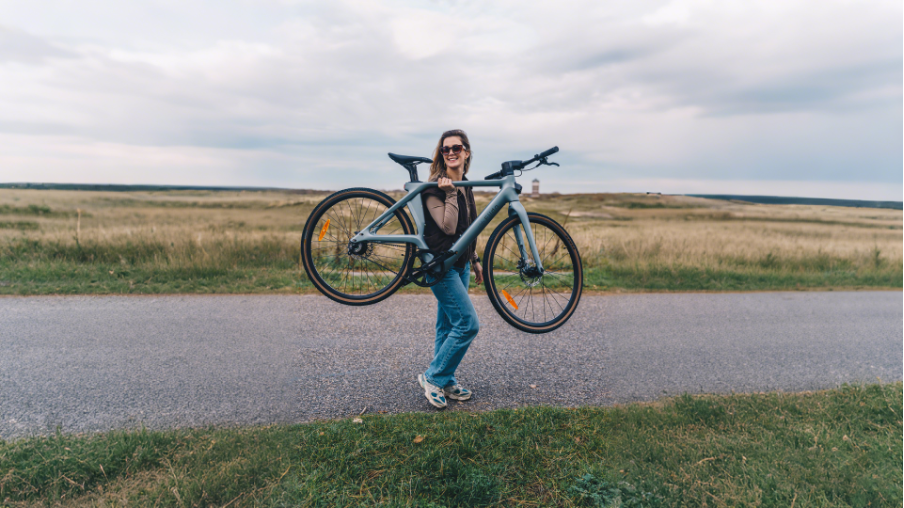
Fiido’s carbon fiber ebike range includes the Air, a full-size model with a manufacturer-listed weight of 13.75 kg, or 30.3 lb. Its carbon frame makes it a relevant example for someone comparing lightweight bicycles for modest loads and suitable access roads. It is not a purpose-built fishing cargo bike or a folding model.
The whole bicycle still matters. Battery, motor, wheels, brakes and other components all contribute to weight. A frame material cannot tell you whether the bike will be easy for you to lift or how much it will weigh after adding a lock and your belongings. Compare complete configurations rather than isolated frame claims.
Comfort needs the same care in interpretation. Tire volume and pressure, riding position, saddle fit and road conditions all influence what reaches the rider. Carbon construction alone does not guarantee a smooth ride. A test on representative roads is more useful than assuming the material will compensate for a poor fit or unsuitable tires.
Where Lower Weight Helps Before You Reach the Water
The most obvious difference may occur before the motor is switched on. Moving a bicycle over an entrance step or lifting it to a vehicle loading height places its weight directly in your hands. Reducing that load can make a repeated task more manageable, provided the shape and available grip also work for you.
Try the actual movement when comparing bikes. A comfortable lift from level ground does not necessarily translate into easy placement inside a tall vehicle. Check the space available, the transport method and the manufacturer’s handling guidance. Arrange help or another carrying method if the task is awkward; choosing equipment should reflect the job you need it to do.
Parking can involve similar small movements. You may need to walk the bicycle between stands, turn it in a confined area or reposition it before locking. Lower mass can reduce the physical burden of those actions, though steering geometry and overall dimensions also affect how the bicycle feels.
On the road, the effect of weight becomes less isolated. Rider and luggage mass are part of the total, while assistance, tires and the route shape the experience. Fiido Air also uses a torque sensor to respond to pedal effort. That concerns assistance delivery; it should not be confused with the handling benefit of a lighter frame.
The return deserves consideration too. After standing and fishing for several hours, you still have to ride home and handle the bicycle again. Test whether your setup is manageable at the end of a normal outing, rather than assessing it only when rested and carrying nothing. The equipment needs to work for the complete day.
Match the Tackle to the Bike—and Protect the Frame
A sectional rod in a suitable protective case is easier to arrange than an assembled rod extending beyond the bicycle. Pack hooks and other sharp tackle securely, and ensure nothing can swing into the wheels or interfere with steering. Make these arrangements before riding rather than trying to hold loose equipment along the way.
A compact backpack may suit a light load if it remains comfortable and does not interfere with riding. For bike-mounted bags, racks or holders, check the specific bicycle’s approved attachments and limits. Do not assume a universal clamp or an accessory designed for another frame is suitable for carbon construction.
Local clamping forces deserve particular attention. A bicycle can be designed to withstand riding loads without being intended for arbitrary pressure from a clamp around a frame tube. Use compatible transport and accessory systems, follow the prescribed fitting instructions and tightening values, and ask the manufacturer when the attachment method is unclear.
Inspect potential contact points before departure. Repeated rubbing from straps or a hard tackle case can damage surfaces, while a loose item may strike the frame on an uneven section. Follow the recommended protective arrangements and keep equipment secured. After an impact or suspected damage, seek appropriate assessment rather than assuming a surface inspection proves the structure is unaffected.
Keep the setup easy to unpack at the destination. You should be able to lock the bike, remove the fishing equipment and walk to the water without dismantling a complicated arrangement. Practice once at home. A simpler packing sequence also makes it easier to notice a loose strap before the return ride.
Choose for the Access Road, Not Just the Fishing Spot
A fishing location can be excellent while its approach is unsuitable for the bicycle you are considering. Look at the complete route, including gradients, traffic, surface changes and the final parking area. Confirm access with the relevant operator or land manager instead of assuming every path beside the water permits electric bicycles.
For a lightweight setup such as the Fiido Air, focus on routes that fit the model’s intended use and your riding ability. Rough approaches, heavy equipment or difficult carrying sections may point toward a different bicycle or a different access point. The material of the frame does not override those practical requirements.
Check fit as carefully as weight. Saddle adjustment, reach to the handlebars and comfortable access to the controls matter when riding in the clothing you will actually wear. A lightweight bicycle that leaves you overstretched is a poor solution. Women differ in height, proportions, strength and experience, so the decision should be based on the individual rider.
When choosing an electric bike for fishing trips, compare the route, tackle load and handling tasks together. Include battery use for the round trip, a suitable lock and a plan for storing the bike while you fish. A short practice outing will reveal more about that combination than looking at specifications alone.
Carbon fiber earns its relevance when the resulting bicycle helps you manage the outing comfortably. For a light tackle load and a suitable route, lower weight may make getting to the water and returning home more convenient. The goal is a setup you can use confidently, leaving your attention free for the fishing once you arrive.