Taking a child fishing involves more than adding another rod. There is drinking water, an extra layer, a snack, and the question of how everyone reaches the bank. For a woman introducing a child to fishing, a short ride to a familiar local spot can become part of the outing, provided the bicycle and passenger equipment are suitable.
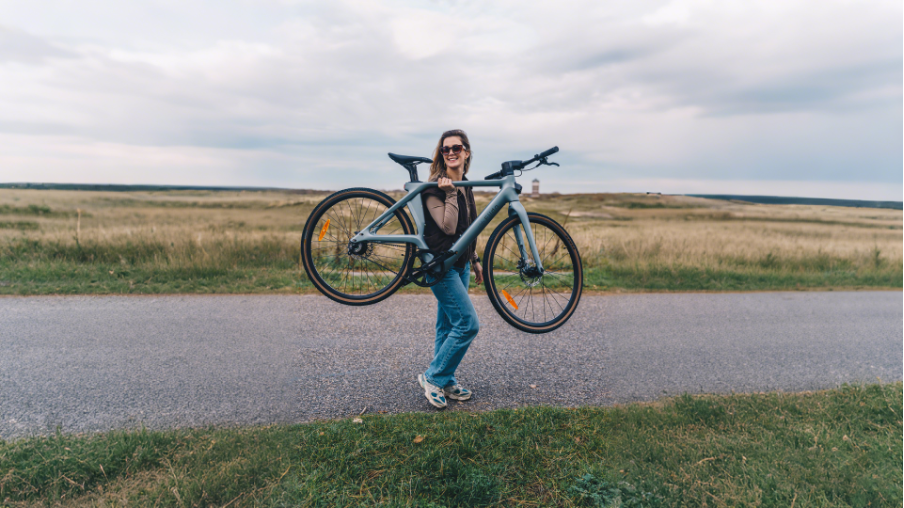
A two-seater electric bicycle usually places the passenger in a designated position while one rider controls steering, braking and pedaling. It differs from a tandem, where both people normally pedal. Sharing one bicycle also means sharing its carrying space and load allowance, which becomes important once fishing equipment joins the passenger.
Plan Around the Passenger First
For a trip with a child, confirm that the bicycle and passenger setup are approved for that child’s size, weight and stage of development. Follow the seat manufacturer’s requirements and the bicycle manufacturer’s compatibility guidance. A setup intended for an older child cannot simply be assumed suitable for a younger one.
The passenger needs appropriate seating and the protection specified for that arrangement. Depending on the system, this includes restraints, foot support, handholds and guards that keep feet or clothing away from moving parts. Check the complete combination rather than choosing each accessory independently and hoping the pieces work together.
The rider also needs to be comfortable managing the bicycle. Can you reach the controls, stop predictably and support the bike during the prescribed boarding procedure? Practice without a passenger first, then become familiar with the correctly equipped passenger arrangement in a suitable quiet area before adding fishing plans.
Clothing and small belongings need attention. Secure loose laces and straps, use properly fitted helmets, and keep equipment out of the passenger’s seating and foot space. Explain the simple actions that make sharing the bike easier: waiting until told to board, keeping feet in the intended position and saying when something feels uncomfortable.
An adult companion would require a separate compatibility check. Do not transfer assumptions from a child setup to an adult passenger because the total load appears acceptable. Passenger accommodation is a specific use of the bicycle, with its own equipment requirements and component limits.
A Passenger Seat Changes the Packing Plan
On a solo fishing trip, a rear platform might carry a tackle bag and packed clothing. Once it becomes passenger space, those items need another approved location. Solving that before departure avoids the temptation to squeeze belongings into gaps that the passenger needs.
The useful starting point is the complete arrangement: who will ride, where that person will sit, where the tackle will go and what happens on arrival. An extra cushion or a large payload figure cannot answer those questions on its own.
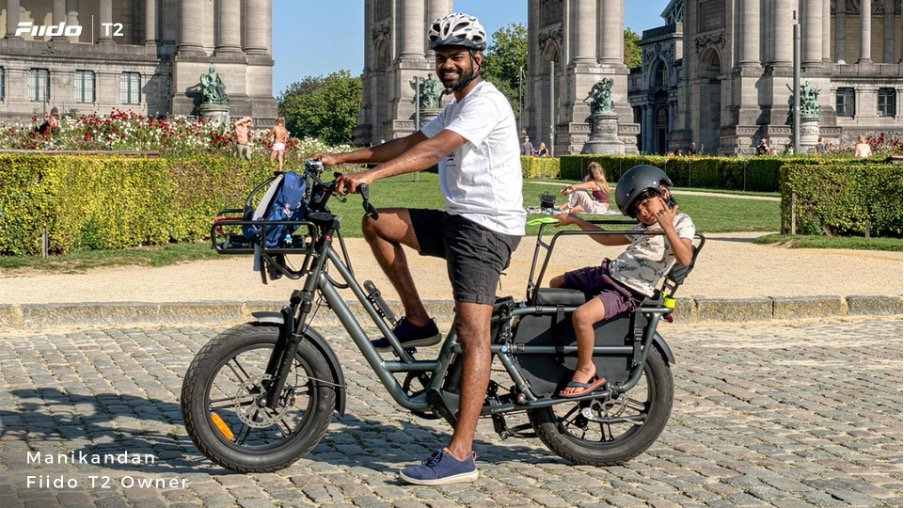
When comparing Fiido’s Two Seater Electric Bike options, look at the complete passenger setup and the space left for fishing equipment. The Fiido T2’s longtail layout provides a useful example to investigate, but the extended rear section should not be treated as unlimited space for both a person and luggage.
Check whether the proposed bags and passenger accessories can be used together. A pannier may interfere with foot support, a bulky bag may obstruct a handhold, or a mounting bracket may compete with the seat hardware. Manufacturer compatibility information matters more than whether the arrangement appears to fit in a photograph.
Count the whole load. Fiido lists the T2 with an overall payload of approximately 440 lb and a separate rear-rack limit of 176 lb. These are different limits, and neither establishes that every seat or passenger is suitable. Include the rider, passenger, tackle, water and accessories according to the manufacturer’s payload definition, then check each component separately.
For the first outing, keep the tackle selection modest. Pack rods down into appropriate cases, enclose hooks and secure sharp tools. Carry everything in a way that leaves steering, pedaling and passenger movement unobstructed. A rod held loosely alongside the bike or a bag hanging from the handlebar creates a problem that a shorter packing list can avoid.
What Changes When Two People Set Off?
The first departure introduces the added mass. More weight requires more force for the same acceleration, and motor assistance can share that effort. The rider still determines when to move, how to steer and how much room to leave. A gentle, predictable start gives the passenger time to settle.
The 2025 Fiido T2 lists a torque sensor, which measures pedal effort so the control system can respond to the rider’s input. That is relevant to assistance delivery, particularly when repeatedly starting and slowing. It does not establish how every rider will experience the bike, so familiarization with the actual model and load remains essential.
Mechanical gearing is another part of the process. Select an appropriate gear before a stop or climb rather than relying only on a higher assistance setting. The rider’s contribution needs to remain manageable, especially when leaving a junction with a passenger and supplies. Test this on a familiar route before the fishing trip.
Slow turns and stops deserve as much practice as riding in a straight line. A passenger’s movement can be noticeable when the bicycle is nearly stationary. Agree that boarding, dismounting and changes of position happen when the rider is ready, following the equipment instructions. This communication is part of riding together comfortably.
Braking involves the complete loaded system. The T2 uses four-piston hydraulic disc brakes, but braking performance also depends on tires, pads, rotors, surface conditions, load and technique. Leave space for controlled slowing before bends and junctions. More assistance when accelerating does not reduce the need to manage speed on the way down a hill.
Plan battery use for the return as well as the outward ride. The additional load, a headwind or a climb can change consumption. Begin with a route comfortably within your experience of the bicycle and retain a practical reserve, instead of using a maximum advertised range as the day’s target.
Choose an Easy Arrival, Not Just a Short Route
A nearby fishing spot may have an awkward final approach. Soft ground, a steep bank or a narrow gate can turn the last few yards into the most difficult part of the trip. Choose a location with a suitable place to stop, help the passenger dismount and secure the bicycle before carrying the equipment onward.
Look for firm, reasonably level ground and follow the manufacturer’s loading and unloading procedure. A kickstand does not remove the need to manage the passenger and bicycle carefully. Keep the arrival unhurried: first deal with the passenger as instructed, then the fishing equipment, rather than trying to do everything at once.
Confirm that the route permits the particular electric bicycle you plan to use. Access to a fishing area does not automatically mean every connecting path permits cycling. If the last section is for walking, identify where the bike can be legally and securely parked and how far you will carry the tackle.
Think about the way back while choosing the spot. A child who was enthusiastic before fishing may be tired afterward, and damp clothing or additional belongings can complicate packing. Keep essential items accessible and allow time for a comfortable return. An easy first outing leaves more room to notice what the passenger needs.
Where possible, visit the access point without the passenger beforehand. Check the parking arrangement, the walk to the bank and any changes of surface. That small reconnaissance step can reveal details a map misses and keeps the shared trip focused on fishing rather than solving an unexpected access problem.
Keep the First Fishing Trip Simple
Choose a familiar place, a short session and a small selection of equipment. The first trip is an opportunity to learn how the passenger arrangement and fishing routine work together. There is little benefit in making the route longer or the packing more complicated before that basic sequence feels comfortable.
At home, rehearse with the actual bags and correctly fitted passenger equipment. Check that nothing shifts and that you can reach the items needed at a stop. Once the passenger joins the practice, pay attention to comfort and communication as well as the bike’s handling. Adjust the plan if either person is uneasy.
When selecting an electric bike for shared fishing trips, the decisive questions concern compatibility, control and usable space. A model such as the Fiido T2 is worth investigating when its approved setup matches the intended passenger and leaves a workable arrangement for tackle. The purchase is the complete configuration, not just the bicycle.
The best result is an uncomplicated arrival: the bike is secured, the equipment is ready and you can turn your attention to showing a child how to cast or watching the water together. Getting there should support that experience. A carefully chosen route and a well-practiced setup make it easier to repeat when the next opportunity to fish comes along.