
Most people think the hardest part of hunting is the moment a deer steps out. It’s not. The hardest part is everything that comes before it.
The figuring it out.
The second-guessing.
The feeling that you’re probably missing something important… you just don’t know what yet.
I remember going into my first real season thinking I needed to have everything perfectly dialed. Every piece of gear. Every plan. Every detail. And then pretty quickly realizing… that’s not how it works.
A good first season doesn’t come from doing everything perfectly. It comes from focusing on a few things that actually matter.
In This Guide
• Preseason Gear Prep
• Range Practice Plan
• Public Land Scouting
• Preparing for Your First Season
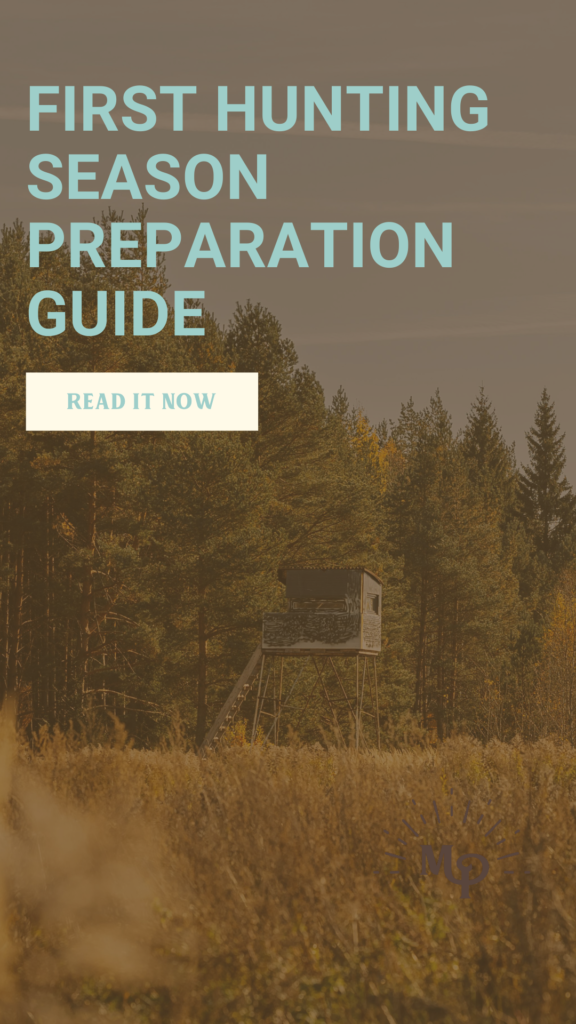
What Actually Matters Before Your First Season
You don’t need to know everything. You don’t need to own everything (promise… don’t let Instagram tell you otherwise). You don’t need to feel 100% ready (you won’t).
But you do need to focus on three things:
• getting your gear ready
• practicing your shot
• learning how deer move where you hunt
That’s it. Not flashy. Not complicated. But those three things will carry you through your first season more than anything else.
If you want a full walkthrough of how to prepare your equipment step by step, read the full guide here:
➡️ Preseason Gear Prep: How to Prepare Your Hunting Gear Before Deer Season
Practice Your Shot (Because the Moment Feels Different)
The range can give you a false sense of confidence if you’re not careful. Everything feels controlled there. You’re steady. You’re calm. You’ve got time.
Then you get in the woods… and it’s not like that.
Your heart’s a little faster.
The deer doesn’t stand exactly where you want it.
And suddenly you’re aware that this isn’t just practice anymore.
That’s the part people don’t talk about enough. So when you practice, don’t just go through the motions.
Make it count.
• confirm your zero
• shoot from positions you’ll actually use
• practice at realistic distances
You don’t need to be perfect. You just need to feel steady when it matters. Because when that moment comes, you won’t be thinking through it step-by-step. You’ll be relying on what you’ve practiced.
If you want a simple, realistic plan for that, it’s all laid out here:
➡️ Range Practice Plan for Deer Hunters: How to Train for Accurate and Ethical Shots
Learn How Deer Actually Move (This Changes Everything)
This is where things start to click. And also where things feel confusing at first. Because when you walk into the woods early on… it all looks the same.
Trees. Ground. More trees.
And you’re thinking,
“Okay… but where are the deer?”
I’ve been there. What helped was realizing you’re not looking for deer. You’re looking for patterns.
Where they eat.
Where they bed.
How they move between the two.
Once you start seeing that, the woods stop feeling random. And hunting starts to feel a lot more intentional.
Instead of:
“I hope something walks by…”
It becomes:
“A deer should come through here.”
That shift matters more than people realize.
If you want to understand how to actually find those patterns—especially on public land—this breaks it down simply:
➡️ Public Land Scouting for Deer: How to Find Mature Bucks Without Private Land
The Part No One Can Really Teach You
Here’s the honest part. Even if you do all of this… Even if your gear is ready, your practice is solid, and you’ve done your scouting… Your first season is still going to feel new.
There will be moments where you’re unsure. Moments where things don’t go how you expected. Moments where you realize, “Okay… this is different from what I thought.”
That’s normal. That’s part of it. Every hunter you look at who seems confident now? They went through that too.
Want Help Preparing for Your First Hunt?
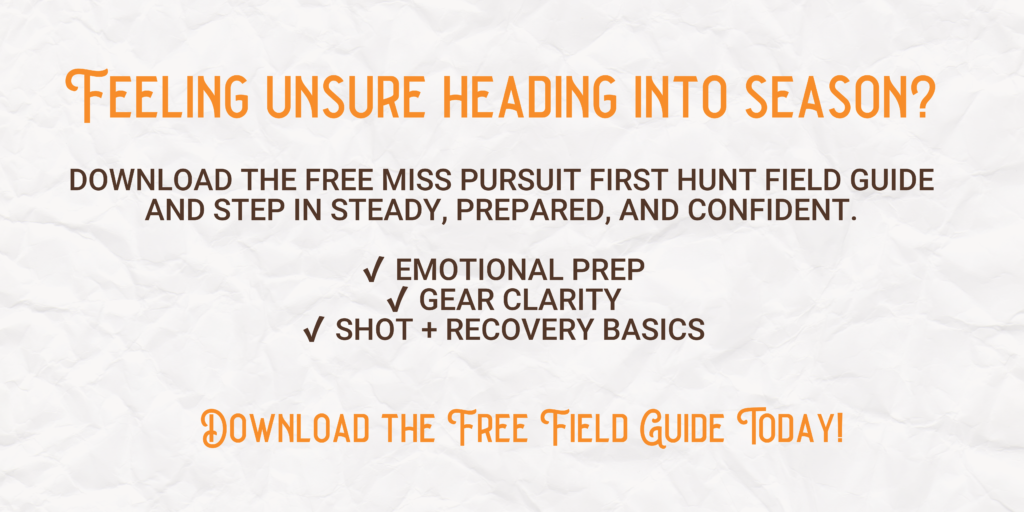
If this is your first serious hunting season, download the First Hunt Field Guide.
It walks through the mental preparation, gear basics, shot placement, recovery process, and common first-hunt mistakes so you know what to expect before the moment arrives.
The goal is simple: help you step into the season prepared, confident, and ready for the experience.
➡️ Preseason Gear Prep: How to Prepare Your Hunting Gear Before Deer Season
➡️ Range Practice Plan for Deer Hunters: How to Train for Accurate and Ethical Shots
➡️ Public Land Scouting for Deer: How to Find Mature Bucks Without Private Land

2 thoughts on “First Hunting Season Preparation Guide: Gear, Practice, and Scouting”