Hunting is one of the most rewarding ways to experience the outdoors, but it also carries real responsibility.
Whether you’re preparing for your first deer season or heading into the woods with family, understanding hunting safety practices is one of the most important skills you can develop.
Every year, thousands of hunters enter the field. The overwhelming majority return home safely because they follow a few simple safety principles:
- awareness
- preparation
- responsible firearm handling
- communication with others
This guide walks through essential hunting safety tips, including beginner safety checklists, tree stand safety, youth hunting safety, and basic first aid preparation.
Learning these habits early helps build a lifetime of responsible hunting.
Why Hunting Safety Matters
Hunting accidents are rare compared to many outdoor activities, but when they occur they are often preventable.
Most incidents involve:
- improper firearm handling
- failure to identify targets
- tree stand falls
- lack of preparation for emergencies
By understanding potential risks before entering the field, hunters dramatically reduce the likelihood of accidents.
Safety is not just about protecting yourself—it also protects:
- other hunters
- landowners
- family members hunting with you
- the reputation of responsible hunters everywhere
Safe hunting practices ensure that hunting traditions remain respected and sustainable.
Beginner Hunting Safety Checklist
If you are new to hunting, preparation is your strongest safety tool.
Before every hunt, take a moment to review a simple safety checklist.
Pre-Hunt Safety Checklist
✔ Confirm hunting licenses and regulations
✔ Tell someone where you are hunting
✔ Check weather conditions
✔ Pack navigation tools (GPS or map)
✔ Bring a fully charged phone or communication device
✔ Carry a basic first aid kit
✔ Wear blaze orange where required
✔ Inspect your firearm or bow
✔ Confirm ammunition or arrows are stored safely
Simple preparation dramatically reduces unexpected problems in the field.
Many experienced hunters review these items before every trip.
Essential Firearm Safety Rules for Hunters
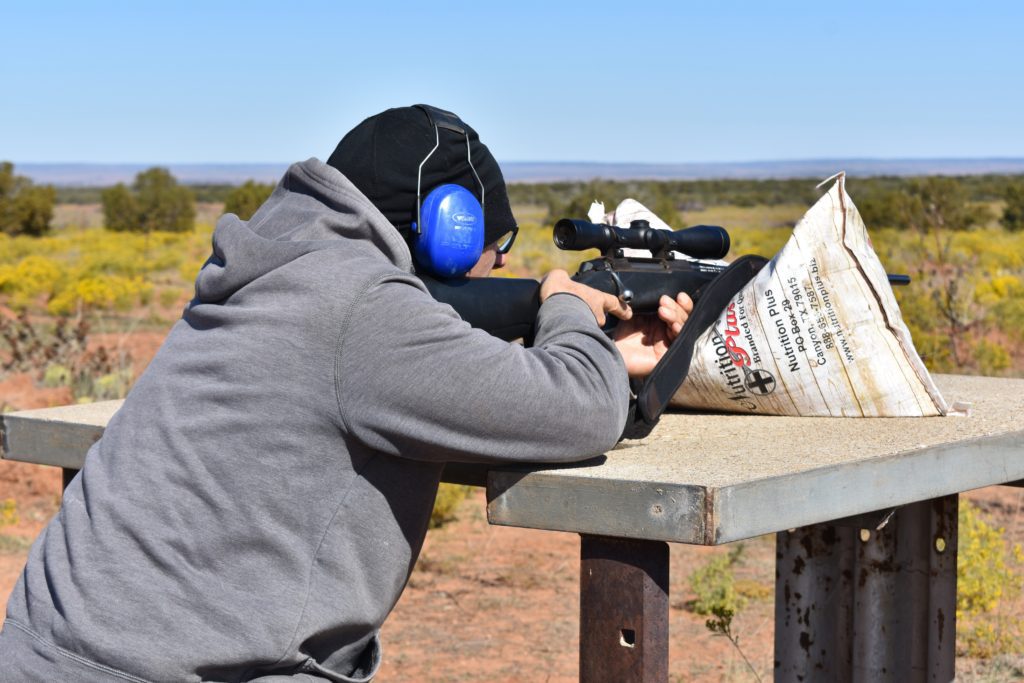
Firearm safety is the foundation of safe hunting.
Most hunter education programs emphasize four core rules.
1. Treat Every Firearm as Loaded
Even if you believe a firearm is unloaded, always treat it as if it were loaded.
This habit prevents careless mistakes.
2. Always Point the Muzzle in a Safe Direction
The direction of the firearm should never endanger people, buildings, or vehicles.
Maintaining muzzle control is one of the most important safety habits hunters can develop.
3. Keep Your Finger Off the Trigger
Only place your finger on the trigger when you are ready to shoot.
Until that moment, your finger should remain outside the trigger guard.
4. Identify Your Target and What Is Beyond It
Before taking a shot, confirm:
- what the target is
- what lies behind it
- whether the shot is safe
This rule prevents one of the most dangerous mistakes hunters can make.
Tree Stand Safety: Preventing One of the Most Common Hunting Injuries
Many deer hunters use tree stands to gain visibility and better shooting angles.
However, tree stand accidents—especially falls—are one of the most common hunting injuries.
Fortunately, most of these incidents are preventable.
Always Use a Safety Harness
A full-body safety harness should be worn whenever hunting from an elevated stand.
Harnesses protect hunters if they slip or lose their balance.
Inspect Your Stand Before Each Season
Before climbing into a tree stand:
- check straps and cables
- inspect metal parts for rust
- confirm stability in the tree
Weather exposure can weaken equipment over time.
Use a Haul Line for Gear
Never climb a tree while holding:
- firearms
- bows
- backpacks
Instead, use a haul line to raise gear after you are safely positioned in the stand.
Maintain Three Points of Contact
When climbing:
- two hands and one foot
or - two feet and one hand
should remain in contact with the ladder or climbing system.
These simple habits dramatically reduce fall risk.
Visibility and Hunter Identification
During many hunting seasons, especially firearm seasons, visibility is critical.
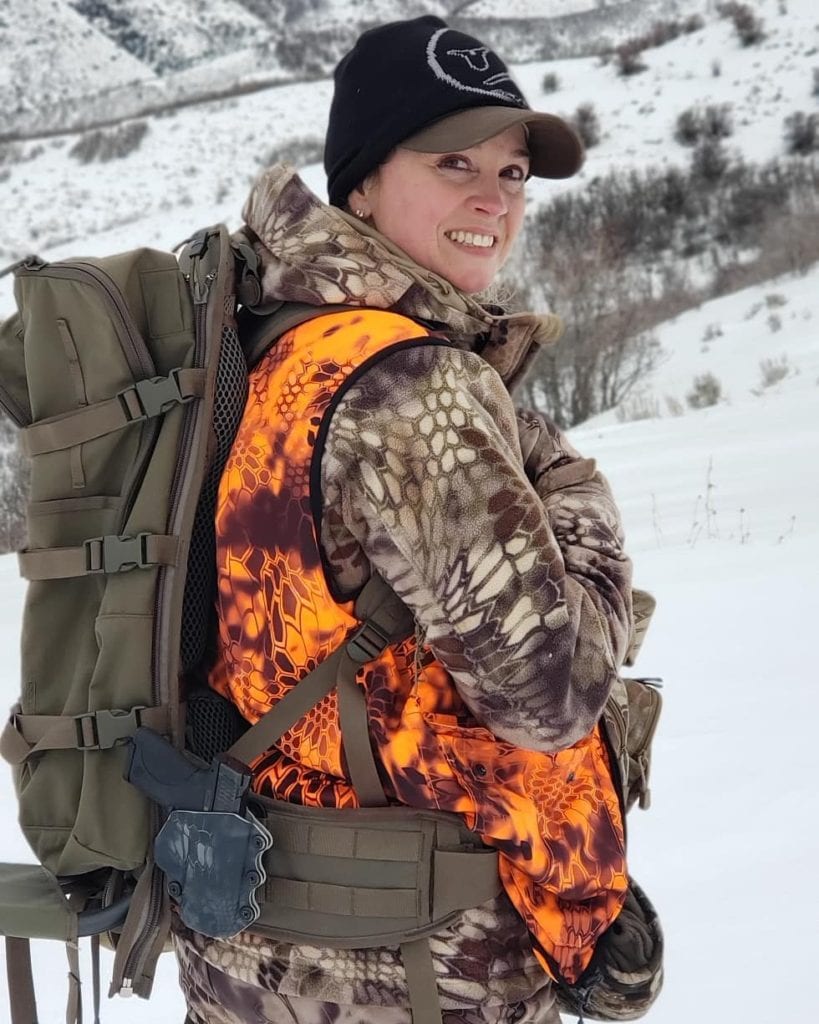
Wearing blaze orange helps other hunters identify your location.
Blaze orange garments should be:
- highly visible
- worn on the upper body or head
- free of obstructions like backpacks
Even when hunting in remote areas, visible clothing reduces the risk of mistaken identity.
Navigation and Getting Lost in the Woods
Hunters sometimes travel deep into unfamiliar terrain.
Getting lost can happen quickly, especially before sunrise or after dark.
Preparation helps prevent navigation problems.
Carry Basic Navigation Tools
Every hunter should carry at least one of the following:
- GPS device
- map and compass
- smartphone with offline maps
Mark Your Route
Many GPS apps allow hunters to:
- mark parking areas
- track walking routes
- save stand locations
This makes it easier to navigate back safely.
Hunting First Aid Basics
Even minor injuries can become serious in remote locations.
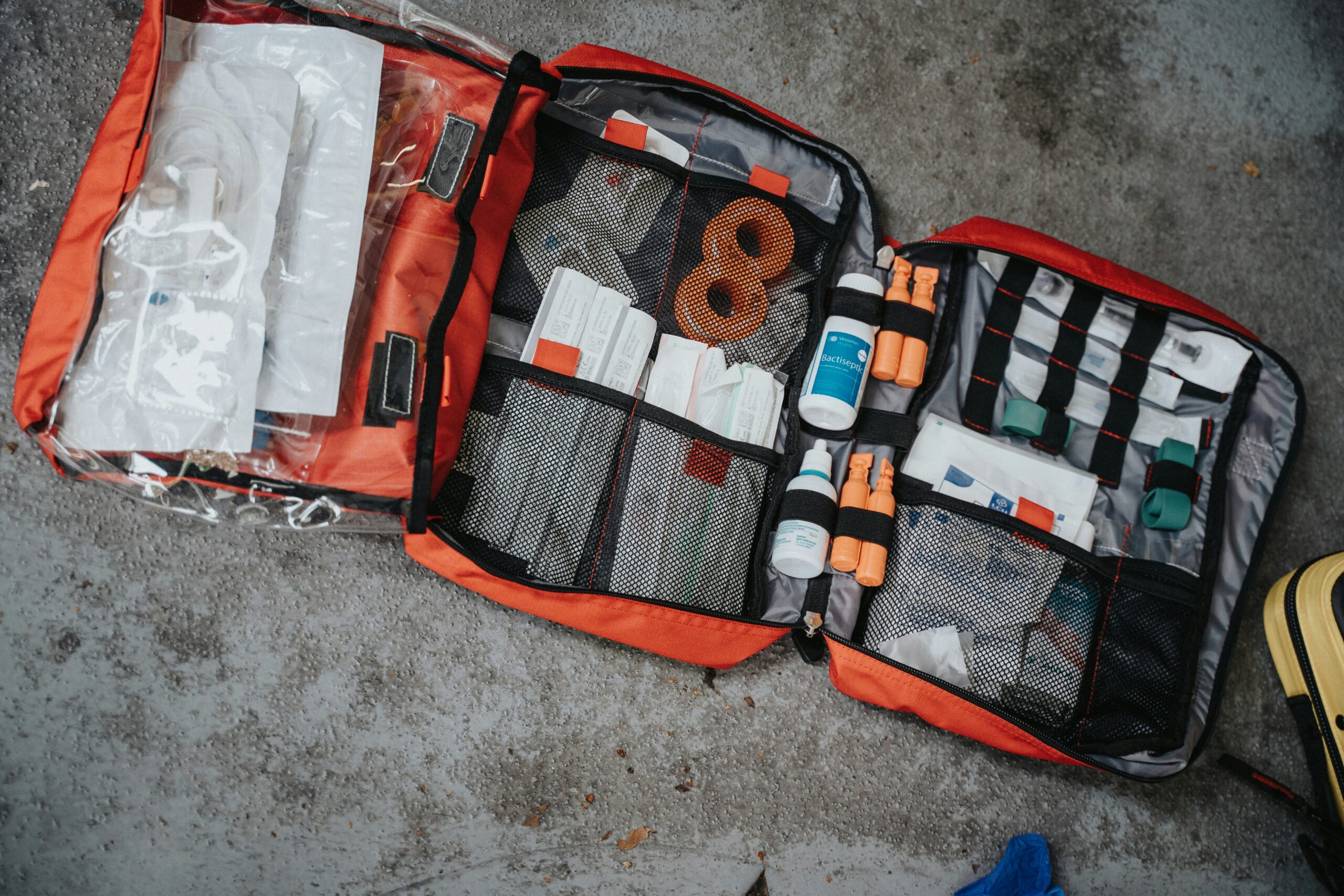
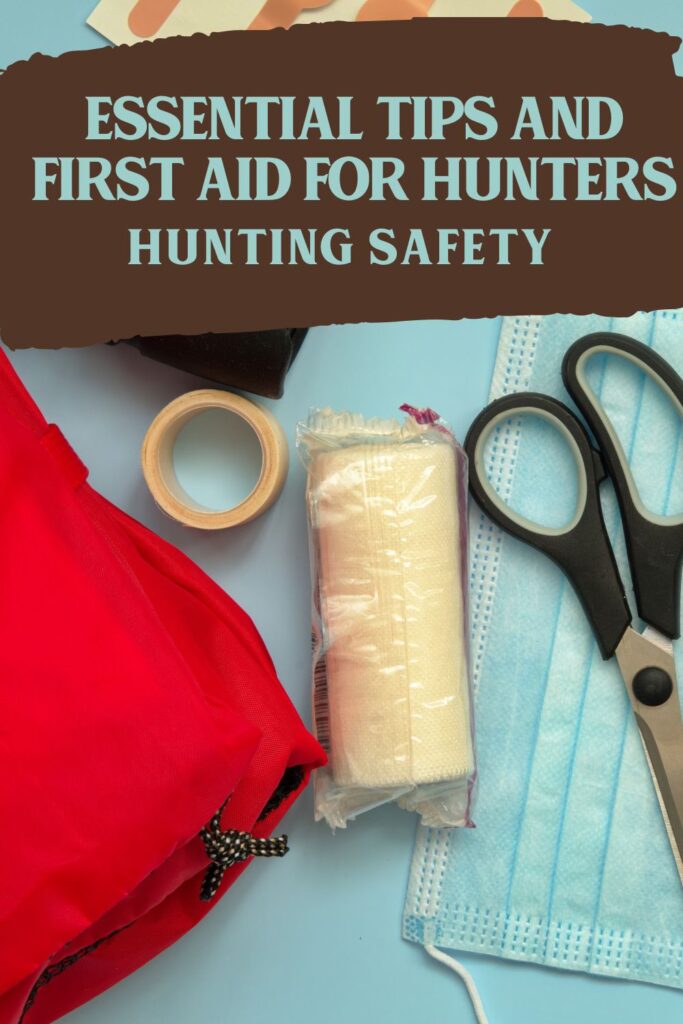
A small first aid kit should be part of every hunting pack.
Essential First Aid Items for Hunters
A simple hunting first aid kit might include:
- adhesive bandages
- antiseptic wipes
- gauze pads
- medical tape
- pain relievers
- blister treatment
- emergency whistle
These supplies can address common injuries like cuts, scrapes, and blisters.
Preparing for Emergencies
Hunters should also understand how to respond to larger emergencies, including:
- severe bleeding
- broken bones
- hypothermia
- dehydration
Knowing basic first aid techniques can make a critical difference while waiting for help.
Weather Safety While Hunting
Weather conditions can change quickly in the outdoors.
Hunters should monitor forecasts and prepare for sudden changes.
Cold Weather Risks
Cold weather introduces risks such as:
- hypothermia
- frostbite
- dehydration
Layered clothing systems help regulate body temperature and prevent moisture buildup.
Heat and Early Season Hunting
Early season hunts can expose hunters to:
- heat exhaustion
- dehydration
Carry sufficient water and take breaks when needed.
Youth Hunting Safety
Introducing young hunters to the outdoors is one of the most meaningful experiences families share.
However, youth hunters require additional safety attention.
Start With Hunter Education
Most states require youth hunters to complete a hunter education course.
These programs teach:
- firearm safety
- hunting ethics
- wildlife identification
- safe field practices
Maintain Close Supervision
Young hunters should always be supervised by experienced adults.
Adults should:
- monitor firearm handling
- guide shot decisions
- help manage excitement and adrenaline
Emphasize Safety Over Success
For youth hunters, the goal is not harvesting an animal.
The goal is learning:
- responsibility
- patience
- safe habits
Positive early experiences help build lifelong respect for hunting traditions.
Communication and Hunting With Partners
Many hunting accidents occur when hunters lose track of each other’s location.
Clear communication prevents confusion.
Before beginning a hunt:
- discuss shooting zones
- identify safe directions
- establish meeting points
When hunting with groups, always remain aware of where others are located.
Safety When Transporting Firearms
Traveling to and from hunting locations requires safe firearm handling.
Basic transportation rules include:
- unloading firearms before entering vehicles
- using gun cases when possible
- keeping muzzles pointed in safe directions
These practices prevent accidental discharge during travel.
Respecting Land and Property
Safety also involves respecting the land where you hunt.
Responsible hunters:
- obtain permission before hunting private property
- follow posted regulations
- respect property boundaries
Maintaining good relationships with landowners ensures hunting opportunities remain available.
Final Thoughts on Hunting Safety
Hunting safety is not complicated, but it requires attention and responsibility.
Simple habits—like wearing a safety harness, identifying targets carefully, and preparing for emergencies—prevent most accidents.
Every hunter plays a role in maintaining a culture of safety.
By practicing responsible habits and teaching them to new hunters and youth, we ensure that hunting remains a respected and sustainable outdoor tradition.
Frequently Asked Questions About Hunting Safety
What are the most important hunting safety rules?
The most important safety rules include treating every firearm as loaded, maintaining muzzle control, identifying your target and what lies beyond it, and keeping your finger off the trigger until ready to shoot.
Why is tree stand safety important?
Tree stand falls are one of the most common hunting injuries. Wearing a safety harness and inspecting stands before use significantly reduces the risk.
What should be in a hunting first aid kit?
A basic hunting first aid kit should include bandages, antiseptic wipes, gauze, medical tape, pain relievers, and blister treatment supplies.
At what age can kids start hunting?
Age requirements vary by state, but most areas allow youth hunting after completing hunter education and hunting under adult supervision.
5 thoughts on “Hunting Safety: Essential Tips and First Aid for Hunters”