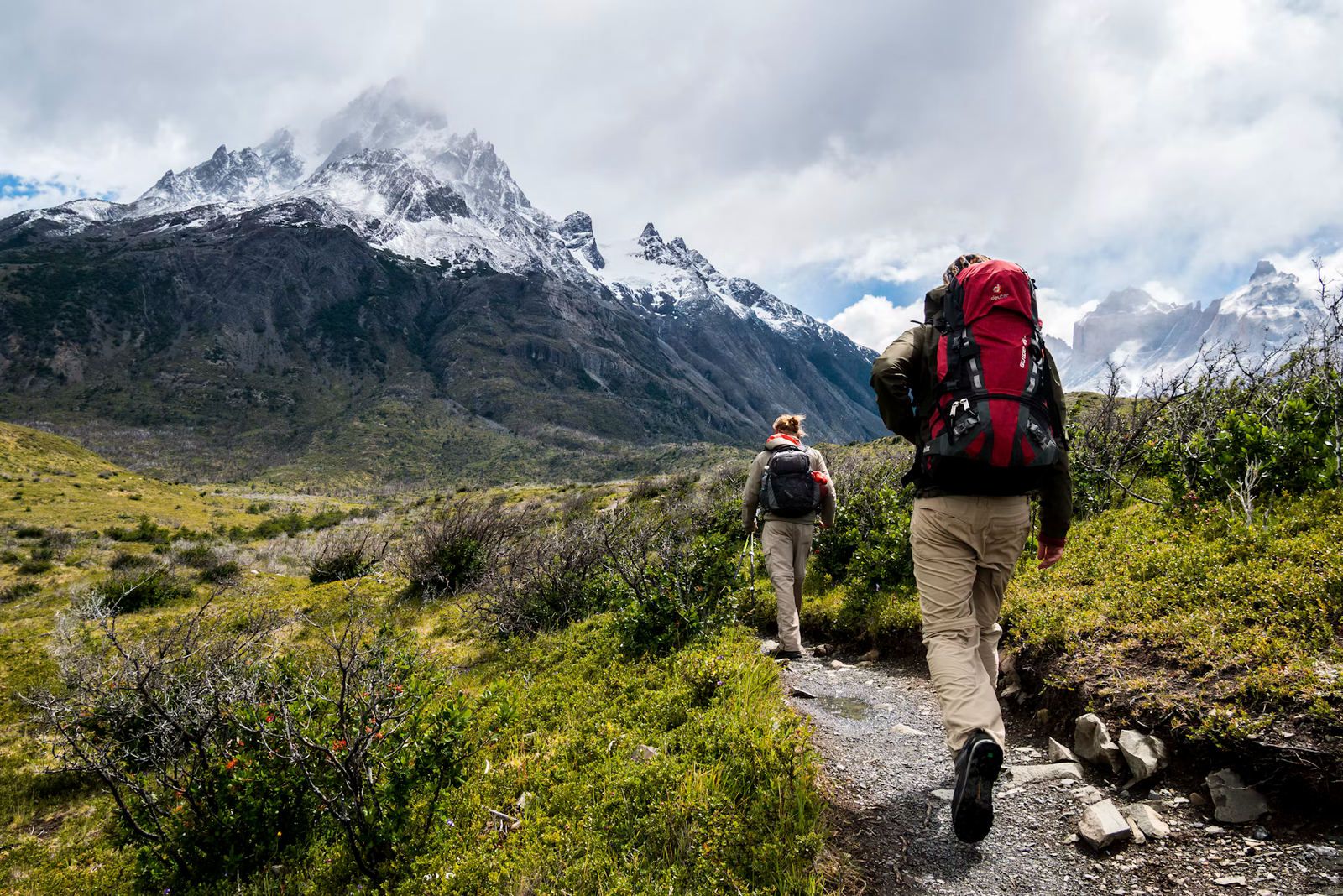
Multi-day trekking turns a familiar outdoor hobby into a test of endurance, planning and adaptability. Instead of returning to your car after a few hours, you wake up and keep walking with tired legs, changing weather and another destination ahead.
That added challenge can be deeply rewarding. It also calls for a different mindset from an ordinary day hike. Before committing to a long-distance route, build your fitness gradually, test your equipment and learn how your body responds on consecutive walking days.
Shifting from Day Hikes to Long Trails
Start by scheduling two moderate hikes on consecutive days. Walking 8 miles on Saturday may feel comfortable, but repeating that distance on Sunday reveals how well your feet, shoulders and energy levels recover. The joys of multi-day hiking include settling into a daily rhythm and seeing places that short outings rarely reach.
Use these practice weekends to test rain layers, snacks and pack organization. Carry the same load you expect to use on your trek. Reading an honest account of life on the trail can also help set realistic expectations about fatigue, changing plans and simple daily routines.
Classic Multi-Day Routes to Consider
A first route should offer clear wayfinding, regular lodging or campsites and reasonable access to food and water. Hut-to-hut trails and established pilgrimage paths reduce some logistical pressure while still delivering the satisfaction of traveling on foot.
The final section of the Camino de Santiago from Sarria to Santiago is an approachable option. Organized tours can include accommodations, meals and pilgrim support, which lets walkers focus more closely on the daily mileage. Wherever you go, research elevation as carefully as distance. A 10-mile day with steep climbs may demand more energy than a flat 15-mile stage. This first trek planning guide covers route selection and other practical preparations.
Dialing in Footwear and Blister Prevention
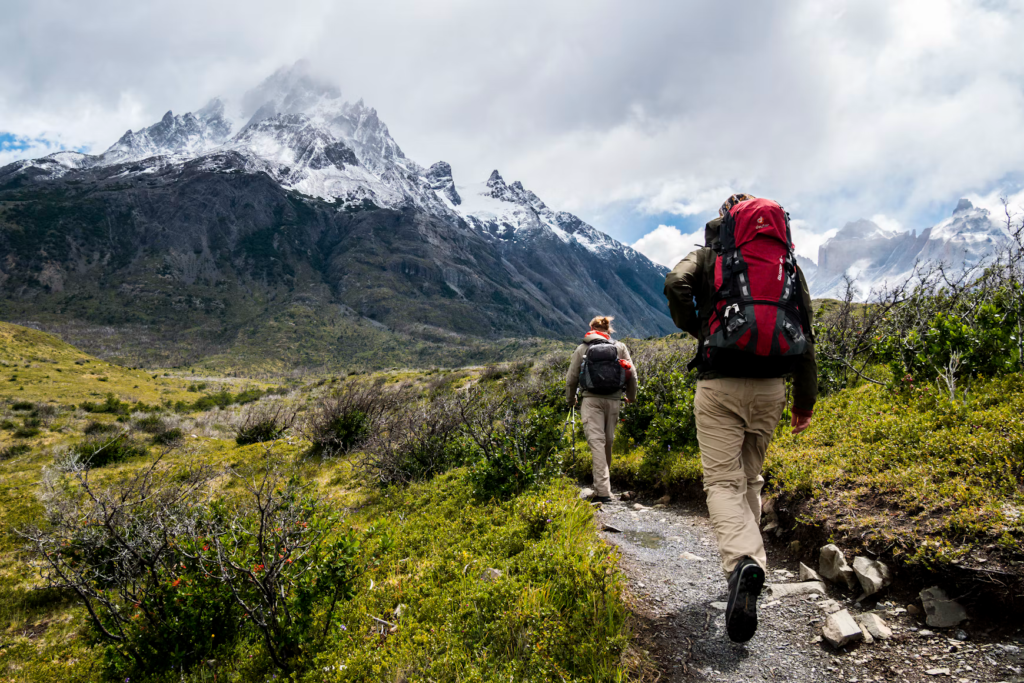
Wear trail shoes or boots for several training walks before taking them on a long route. Your toes need enough room to move forward on descents, and your heel should stay secure without painful rubbing. Try footwear late in the day when your feet may be slightly swollen.
Choose moisture-wicking socks and carry a dry spare pair. At the first sign of a hot spot, stop and cover it with blister tape or a suitable dressing. Waiting until the skin hurts can turn a small irritation into a problem that affects every remaining mile. Remove your shoes during longer breaks when conditions allow, then shake out any grit before continuing. Trimmed toenails also help prevent pressure during repeated downhill sections.
Pacing Yourself for High Daily Mileage
Begin each morning at a pace that feels almost too easy. Early enthusiasm can lead to sore knees and depleted energy long before you reach the day’s destination. A steady 2-mile-per-hour pace, including brief breaks, may be more sustainable than alternating fast stretches with long recovery stops.
Eat small amounts throughout the day and drink regularly, especially in warm or exposed conditions. Plan a proper break near the midpoint, but avoid sitting so long that your muscles become stiff. If the route permits flexibility, make the first day shorter and increase mileage only after seeing how you recover overnight.
The best sign that you’re ready for a longer trek is consistency. Complete a two-day practice outing with manageable soreness, comfortable footwear and enough energy to enjoy the final miles. Once those pieces come together, waking up to another day on the trail starts to feel exciting instead of intimidating.