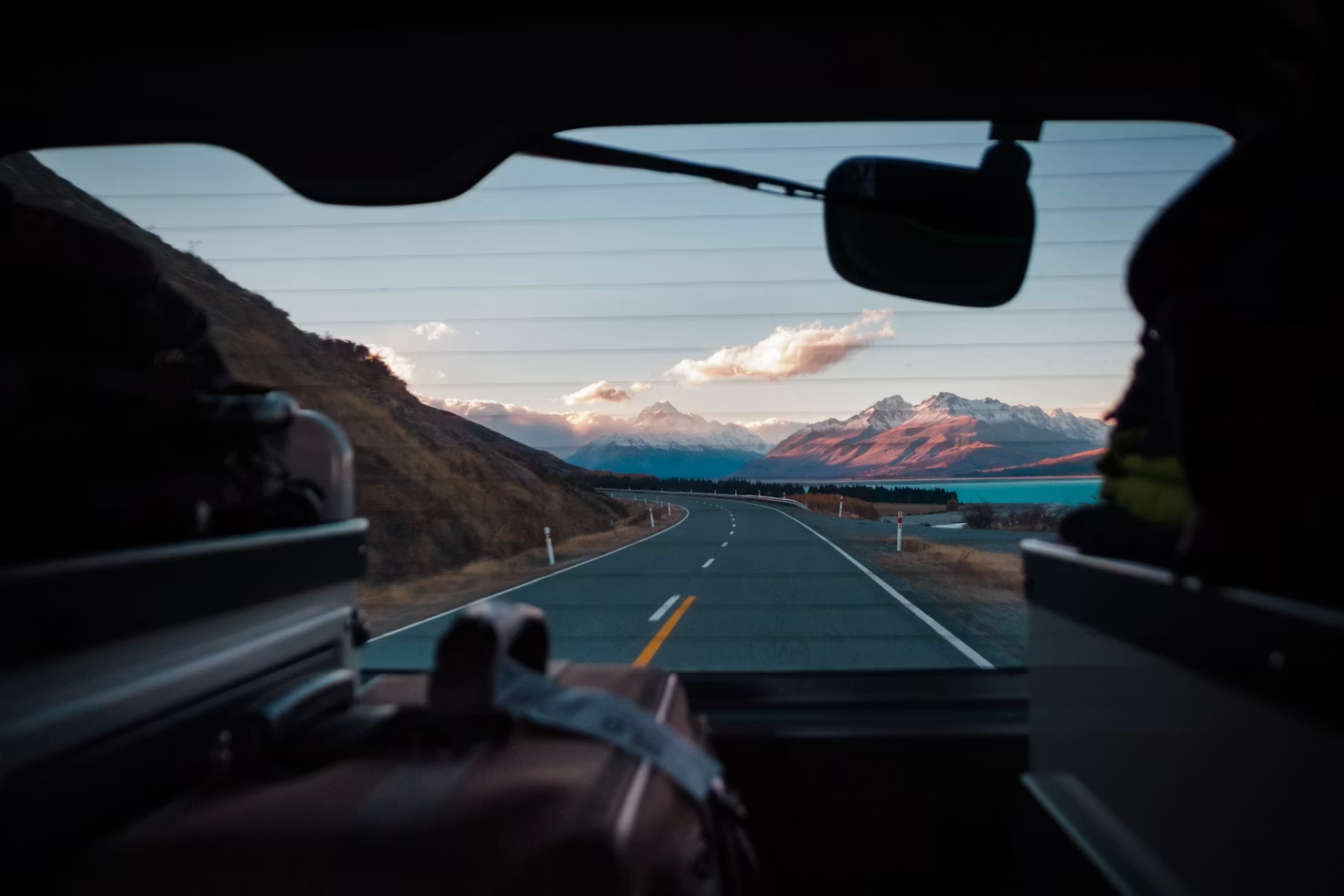
Modern travel often feels strangely disconnected from the world itself. People rush through airports, squeeze into crowded flights, land in a completely different country a few hours later, and move straight into hotels or tourist districts without ever really experiencing the space between. It becomes efficient, but sadly not always memorable.
One genuinely great road trip changes that completely because it restores the feeling of movement, distance, and discovery again. You stop teleporting between destinations and start watching landscapes evolve mile by mile naturally.
The countryside changes slowly. Small towns appear unexpectedly. Weather shifts. Coastlines open up gradually instead of instantly appearing outside an airport window. The journey stops feeling like wasted time and becomes the experience itself.
Road trips reconnect people with the world around them
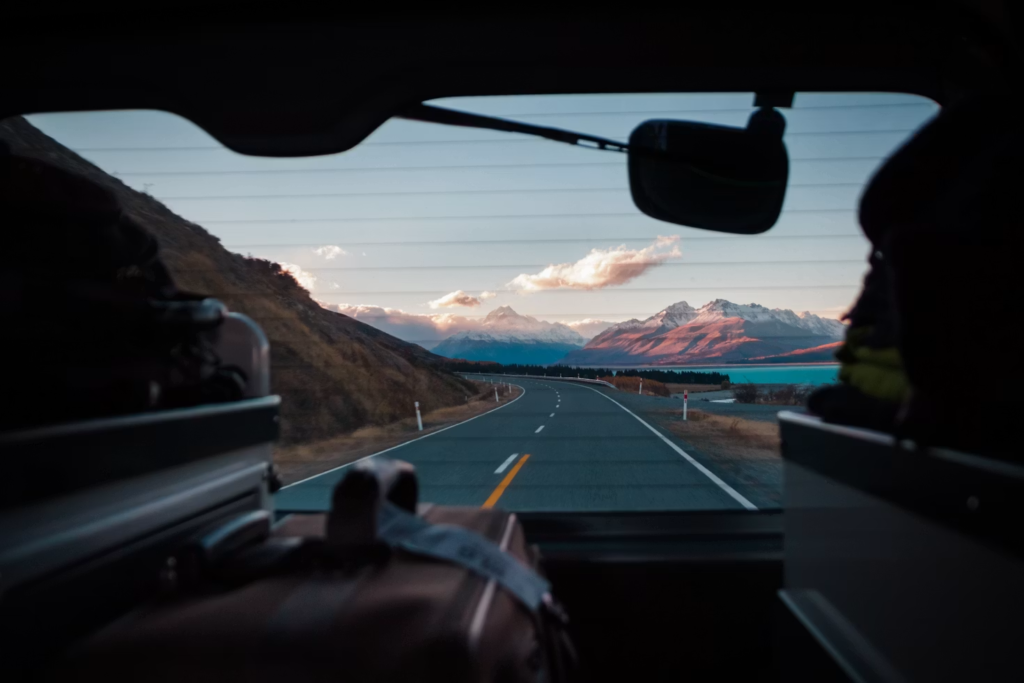
There’s something surprisingly grounding about physically crossing a landscape instead of skipping over it at 35,000 feet.
Watching flat countryside slowly turn into mountain roads or coastal cliffs creates a much deeper understanding of the place. Travelers start noticing regional differences they’d normally miss entirely. Local accents shift gradually. Architecture changes. Food changes. The rhythm of life changes too.
That slower pace matters. Especially on a solo road trip, where silence and movement create space for reflection that modern travel rarely allows anymore. Long drives stop feeling boring once people stop treating them like obstacles.
RV parks feel strangely more human than hotels
One unexpected thing many travelers discover during road trips is how different the social atmosphere feels at campgrounds and RV sites compared to traditional hotels.
Hotels often feel isolated. People disappear behind doors. Corridors stay silent. Everyone keeps to themselves. A good premier RV park feels completely different. Outdoor seating spills naturally into shared spaces. Travelers barbecue outside, chat over coffee, recommend walking trails, or swap stories about nearby towns and scenic routes.
There’s a strange sense of temporary community that forms naturally because everyone is living a little more openly. Many travelers don’t realize how much they miss that kind of casual human connection until they experience it again.
The best moments usually aren’t planned
One of the biggest lessons road trips teach people is that over-planning often ruins spontaneity. Closed roads become scenic detours. Wrong turns lead to hidden beaches or tiny cafes. Random roadside signs suddenly become entire afternoons. Those unexpected moments often become the strongest memories from the whole trip.
That’s the strange magic of road travel. It slowly teaches people to loosen their grip on perfect schedules and trust the experience more instead. The day doesn’t need to go exactly according to plan to become meaningful.
Great road trips change the traveler, not just the scenery
That’s probably the real reason people remember road trips so differently from ordinary holidays. Something changes in how you see travel.
Once someone experiences the freedom of pulling over simply because a road looks interesting, rigid itineraries start feeling exhausting. Travel becomes less about consuming destinations and more about experiencing movement, curiosity, and unpredictability. People stop acting like tourists trying to complete a checklist. They start feeling like travelers again.