For many people, the idea of hunting a deer for the first time feels equal parts exciting and intimidating.
You might be wondering:
- What gear do I actually need?
- How do you find deer?
- What happens after you shoot one?
- Am I mentally ready for this?
The truth is, deer hunting for beginners does not need to be complicated. Most new hunters get overwhelmed because they see experienced hunters using advanced tactics, expensive gear, and years of accumulated knowledge.
But every hunter started exactly where you are.
This guide will walk you through the real basics of deer hunting, including gear, strategy, expectations, and the moment that matters most—your first shot.
Whether you’re preparing for your first deer season, learning alongside family, or simply curious about hunting, this guide will help you walk into the woods feeling prepared instead of overwhelmed.
If you’re preparing for your first season, download the Miss Pursuit First Hunt Field Guide — a step-by-step preparation guide for women and families heading into their first hunt.
What Deer Hunting Really Is (And Isn’t)
Before diving into gear and tactics, it helps to understand what deer hunting actually involves.
Many beginners imagine constant action and easy shots. In reality, deer hunting requires patience, observation, and quiet persistence.
A typical hunt might involve:
- Walking to a stand or blind before sunrise
- Sitting quietly for hours
- Watching the woods slowly wake up
- Observing wildlife beyond just deer
- Waiting for the right opportunity
Sometimes deer appear quickly.
Sometimes they don’t appear at all.
Learning to appreciate the process of being in the woods is part of what makes hunting so meaningful.
Hunting also connects you directly with your food. Harvesting your first deer is often a powerful experience—one that carries both pride and responsibility.
Understanding Deer Behavior
One of the most important things beginners can learn is how deer move and why.
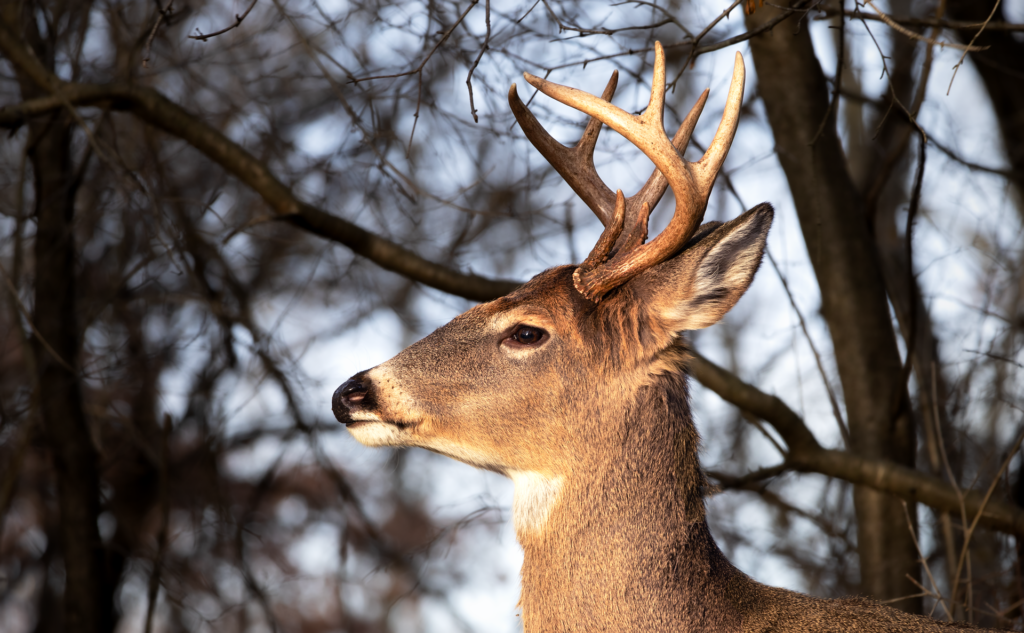
Whitetail deer are creatures of habit. Their movements are largely driven by three needs:
Food
Deer feed regularly and often move between bedding areas and food sources.
Common food sources include:
- Agricultural crops
- Acorns
- Browse (leaves, twigs, and shrubs)
- Food plots
Water
Deer drink regularly and often travel near creeks, ponds, or small water sources.
Security
Deer prefer areas where they feel safe, including:
- Thick brush
- Timber edges
- Areas with low human pressure
Most deer movement happens during early morning and late evening, which is why hunters focus heavily on these times.
Understanding these patterns helps beginners place themselves where deer are more likely to appear.
The Ultimate Beginner Deer Hunting Guide: How to Start Hunting Deer
Deer Hunting Gear Checklist (Beginner Friendly)
One of the biggest mistakes new hunters make is assuming they need a truck full of equipment.
You really don’t.
A simple, practical setup will take you much further than buying every gadget you see online.
Here’s a beginner-friendly gear checklist.
Basic Deer Hunting Gear
Essential items include:
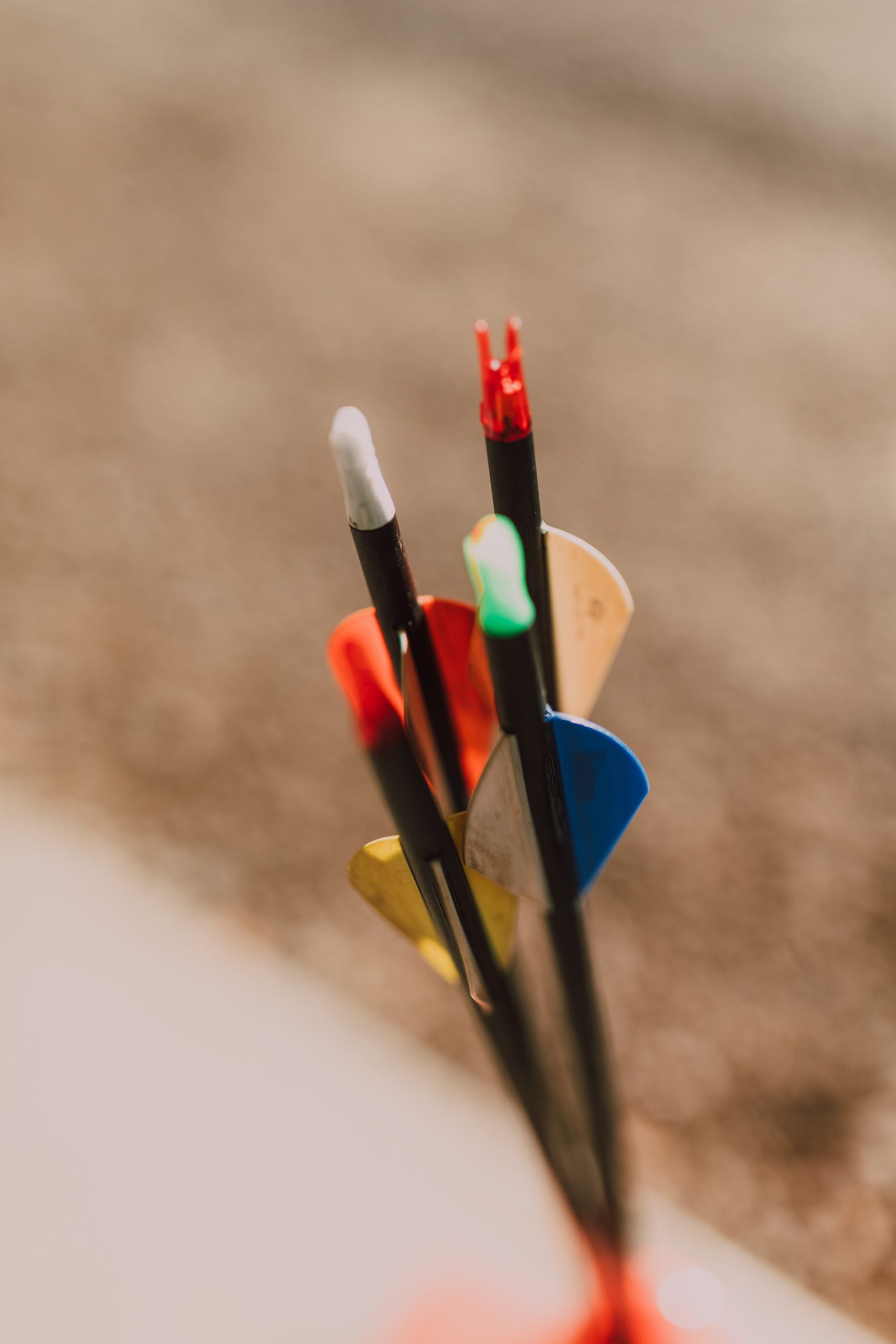
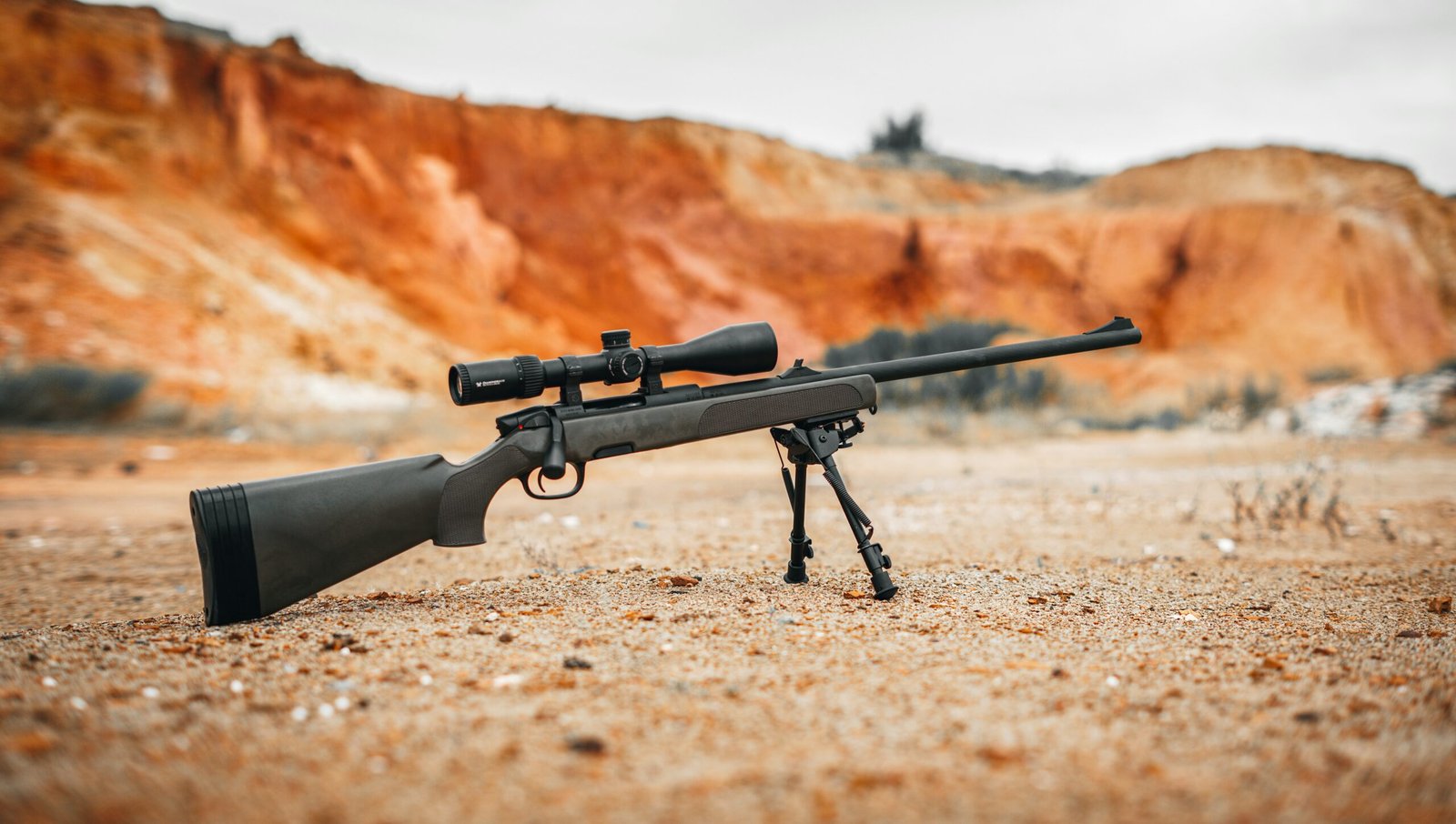
- Rifle or bow appropriate for deer hunting
- Ammunition or arrows
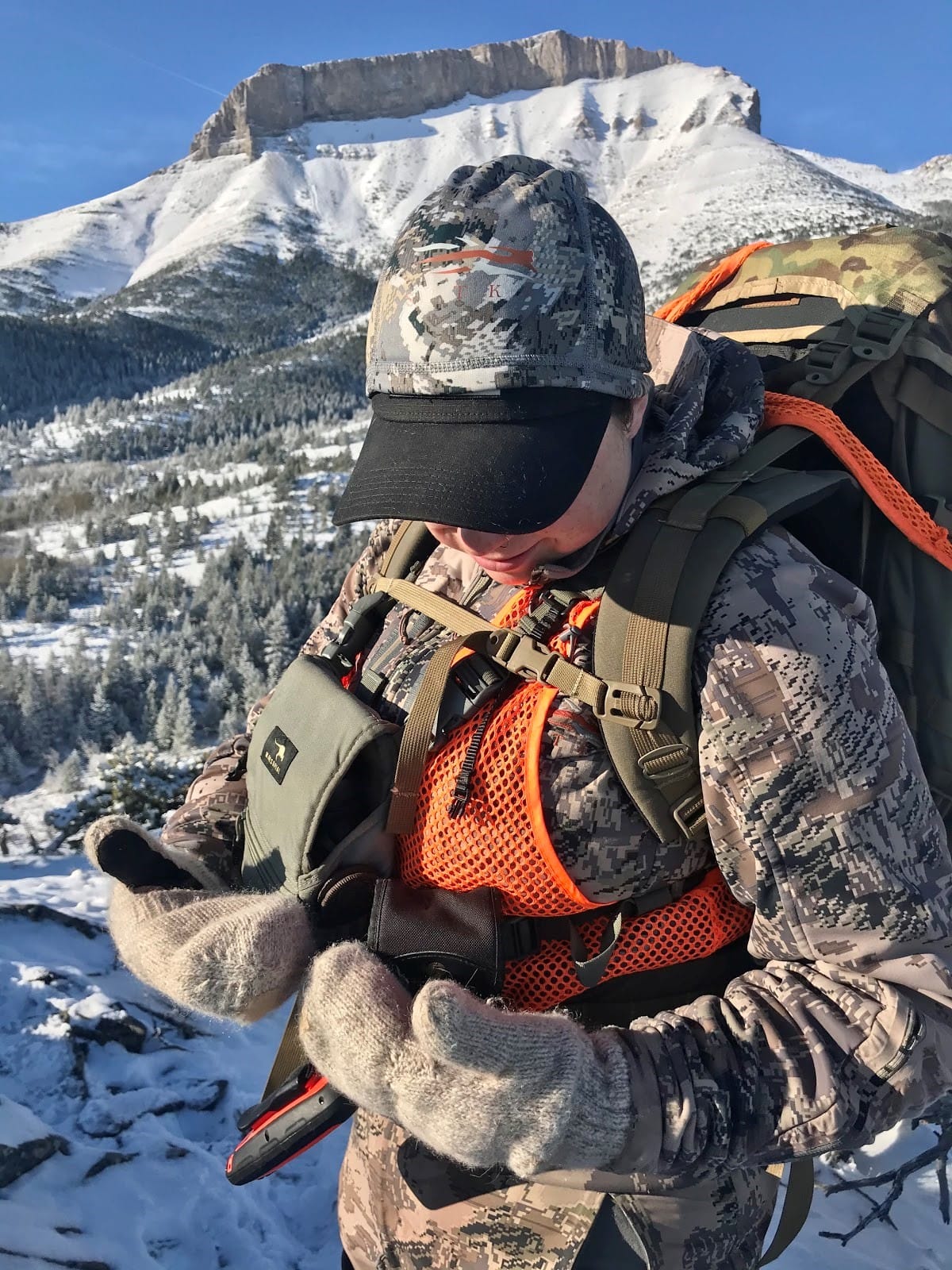
- Blaze orange vest or hat (required in many states)
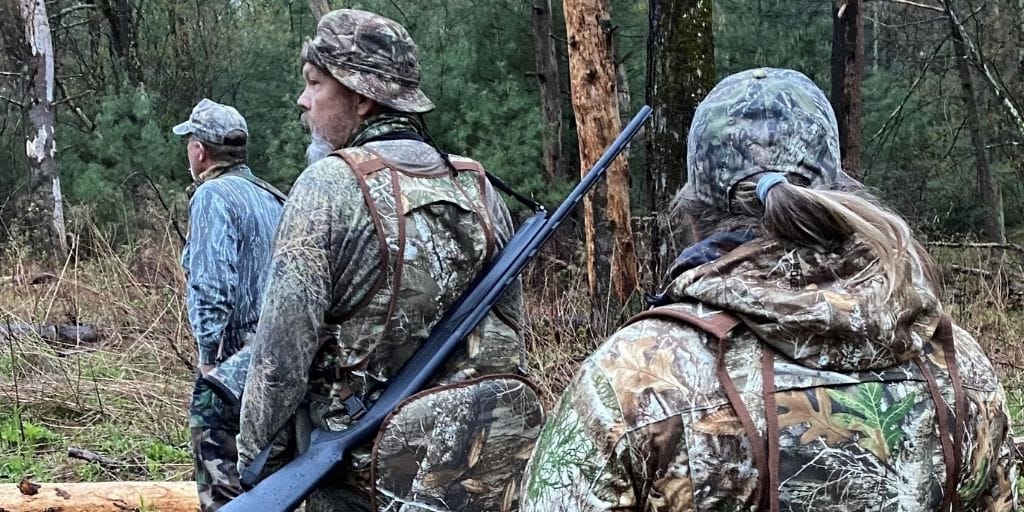
- Comfortable camouflage or neutral clothing
- Waterproof hunting boots
- Small backpack
- Knife for field dressing
- Headlamp or flashlight
- Hunting license and tags
These basics are enough to get you into the woods safely and legally.
Optional But Helpful Gear
As you gain experience, you may want to add:
- Binoculars
- Rangefinder
- Safety harness for tree stands
- Hand warmers
- Compact first aid kit
- Game bags
- Drag rope or sled
None of these items are required for your first hunt, but they can make the experience more comfortable.
The most important gear you can bring is patience and preparation.
Stand Hunting vs Ground Hunting
Beginners often wonder whether they should hunt from a tree stand or stay on the ground.
Both approaches work, and each has advantages.
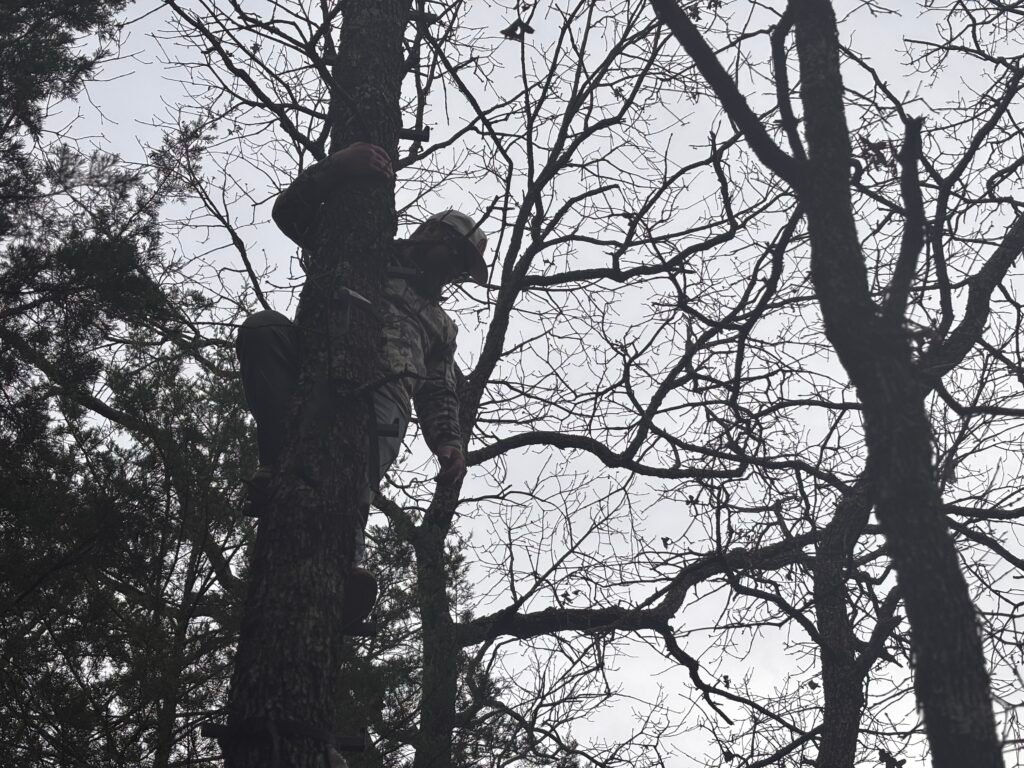
Tree Stand Hunting
Tree stands elevate hunters above the ground, which can help:
- Improve visibility
- Reduce scent detection
- Keep movement less noticeable
Tree stands are very common in whitetail hunting, especially in wooded areas.
However, they require proper safety practices, including wearing a full safety harness.
Ground Hunting
Ground hunting means staying at ground level, either:
- Sitting against a tree
- Using natural cover
- Hunting from a ground blind
This approach is often more beginner-friendly because it avoids climbing and setup challenges.
Ground hunting can also feel more immersive, since you’re experiencing the woods at the same level as the animals.
Both methods can be effective depending on terrain and hunting pressure.
Where Beginners Should Hunt
Choosing the right location can make a huge difference in your first hunting experience.
Look for areas where deer naturally travel, such as:
- Edges of fields
- Transition zones between woods and open land
- Trails leading to food sources
- Oak ridges during acorn season
- Funnel areas between thick cover
Signs of deer activity include:
- Tracks
- Droppings
- Rubs on trees
- Scrapes on the ground
- Well-worn trails
Spending time scouting before the season begins can dramatically increase your chances of seeing deer.
What to Expect on Your First Deer Hunt
The emotional side of hunting is something people don’t always talk about.
Your first deer hunt may involve:
- Excitement
- Nervous anticipation
- Long periods of waiting
- Moments of intense adrenaline
And sometimes, it involves not seeing a deer at all.
That’s completely normal.
Many successful hunters went several hunts before seeing their first deer.
Instead of measuring success only by harvesting an animal, focus on learning:
- How deer move
- How the wind affects scent
- How quiet the woods really are
Every hunt teaches you something.
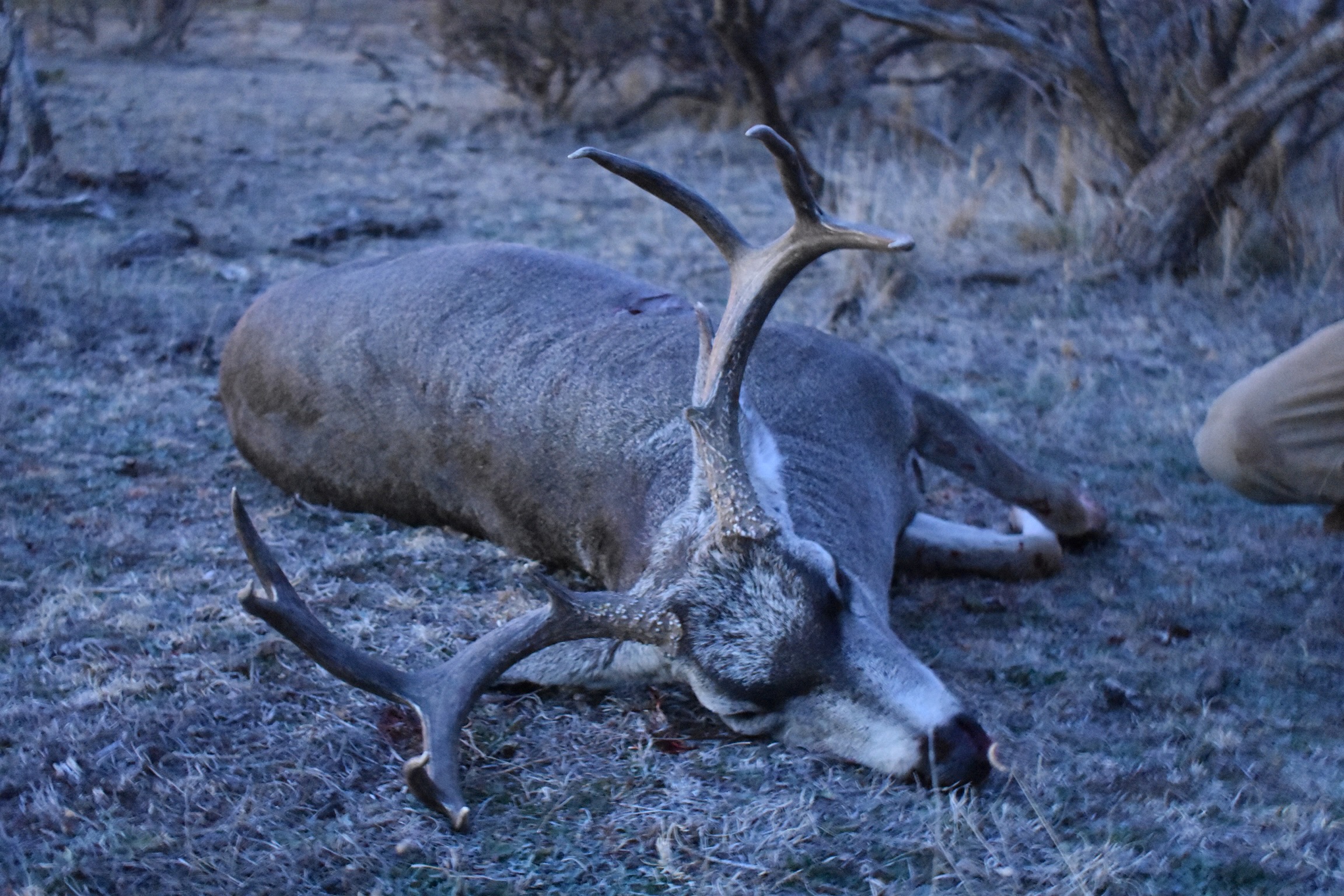
Shot Placement for Your First Deer
If a deer presents a safe opportunity, the most important factor is ethical shot placement.
The goal is always a quick, humane harvest.
The most common and recommended shot for beginners is the broadside shot.
This means the deer is standing sideways.
The ideal target area is the heart and lungs, located just behind the front shoulder.
A well-placed shot in this area allows for:
- Fast blood loss
- Short tracking distance
- A humane harvest
Shots to avoid include:
- Head shots
- Running shots
- Poor angles
If you are unsure, do not take the shot.
Passing on a shot is part of responsible hunting.
What Happens After You Shoot a Deer
The moment after a shot can feel surreal.
Many beginners expect the deer to drop instantly, but that doesn’t always happen.
Often, the deer will:
- Run a short distance
- Stop briefly
- Then lie down
After shooting, the best practice is to wait at least 20–30 minutes before tracking.
This allows the deer time to expire and reduces the risk of pushing it farther.
When tracking, look for:
- Blood on the ground
- Disturbed leaves
- Broken branches
- Hoof marks
Following the trail slowly and carefully will lead you to the animal.
Field Dressing Your First Deer
Field dressing is the process of removing the internal organs to cool the meat.
For many beginners, this is the part they worry about the most.
But with basic preparation, it becomes manageable.
The basic steps include:
- Position the deer on its back.
- Carefully open the abdominal cavity.
- Remove the internal organs.
- Prop the cavity open to allow cooling.
If you’re hunting with experienced partners, they can often guide you through this process the first time.
Many hunters also watch instructional videos or practice with mentors before their first hunt.
The Emotional Side of Harvesting Your First Deer
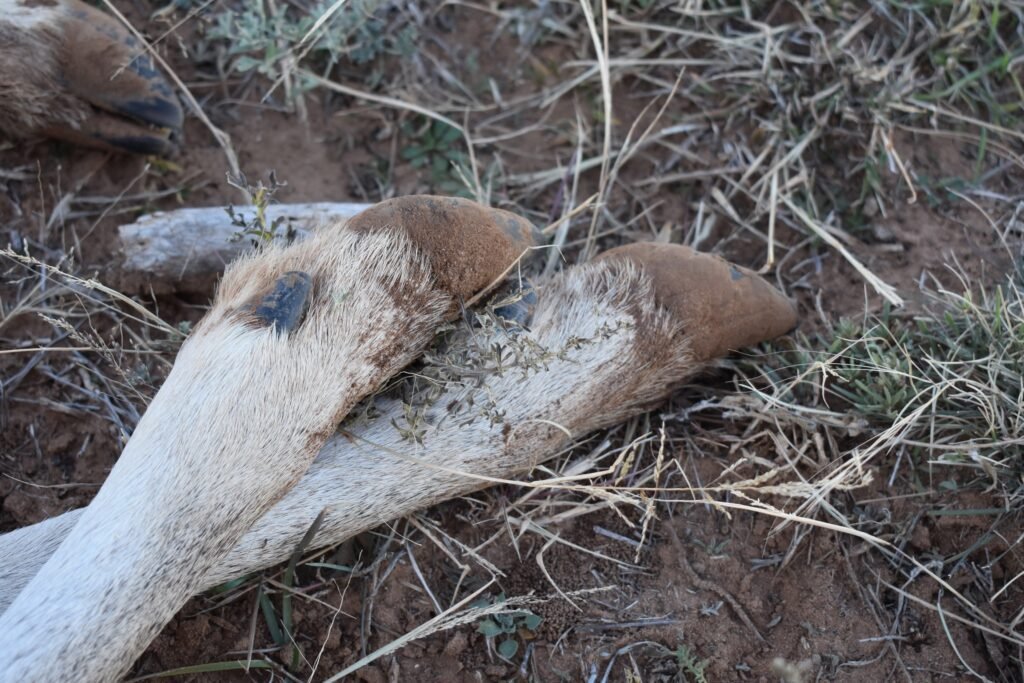
Harvesting your first deer can bring a surprising mix of emotions.
You may feel:
- Gratitude
- Respect
- Relief
- Pride
- Reflection
These feelings are normal and often part of why hunting becomes such a meaningful tradition for many families.
Taking a moment to acknowledge the animal and the responsibility involved is something many hunters choose to do.
Hunting connects us directly with the food we eat and the ecosystems we rely on.
Tips to Make Your First Deer Hunt Successful
If you’re preparing for your first hunt, keep these tips in mind:
Start simple.
You don’t need complicated gear.
Focus on wind direction.
Deer rely heavily on scent.
Move slowly and quietly.
Most animals notice movement first.
Stay patient.
Long waits are part of hunting.
Learn from every hunt.
Each outing builds experience.
Success in hunting is measured not only by the harvest, but by the knowledge gained along the way.
Preparing for Your First Hunting Season
The best thing beginners can do before the season begins is prepare.
Preparation includes:
- Practicing with your rifle or bow
- Learning local hunting regulations
- Scouting potential hunting areas
- Understanding deer behavior
- Mentally preparing for the experience
The more comfortable you are with these elements, the more confident you’ll feel when opening day arrives.
Download the First Hunt Field Guide to walk into your first season confident and prepared.
Final Thoughts on Deer Hunting for Beginners
Deer hunting is one of the most accessible ways to begin your journey into hunting.
It teaches patience, observation, and respect for wildlife.
Your first hunt may not go exactly how you expect.
But every step—from scouting to sitting quietly in the woods—builds the foundation of a lifelong skill.
The goal isn’t just harvesting a deer.
The goal is learning how to participate responsibly in the natural world.
And that journey begins with your first hunt.
If you’re preparing for your first hunting season, you can download the Miss Pursuit First Hunt Field Guide, a step-by-step preparation guide designed specifically for new hunters and families heading into their first season.
It walks through the gear, mindset, safety habits, and real-world expectations that help beginners show up confident and prepared.
5 thoughts on “Deer Hunting for Beginners: Everything You Need to Know Before Your First Hunt”